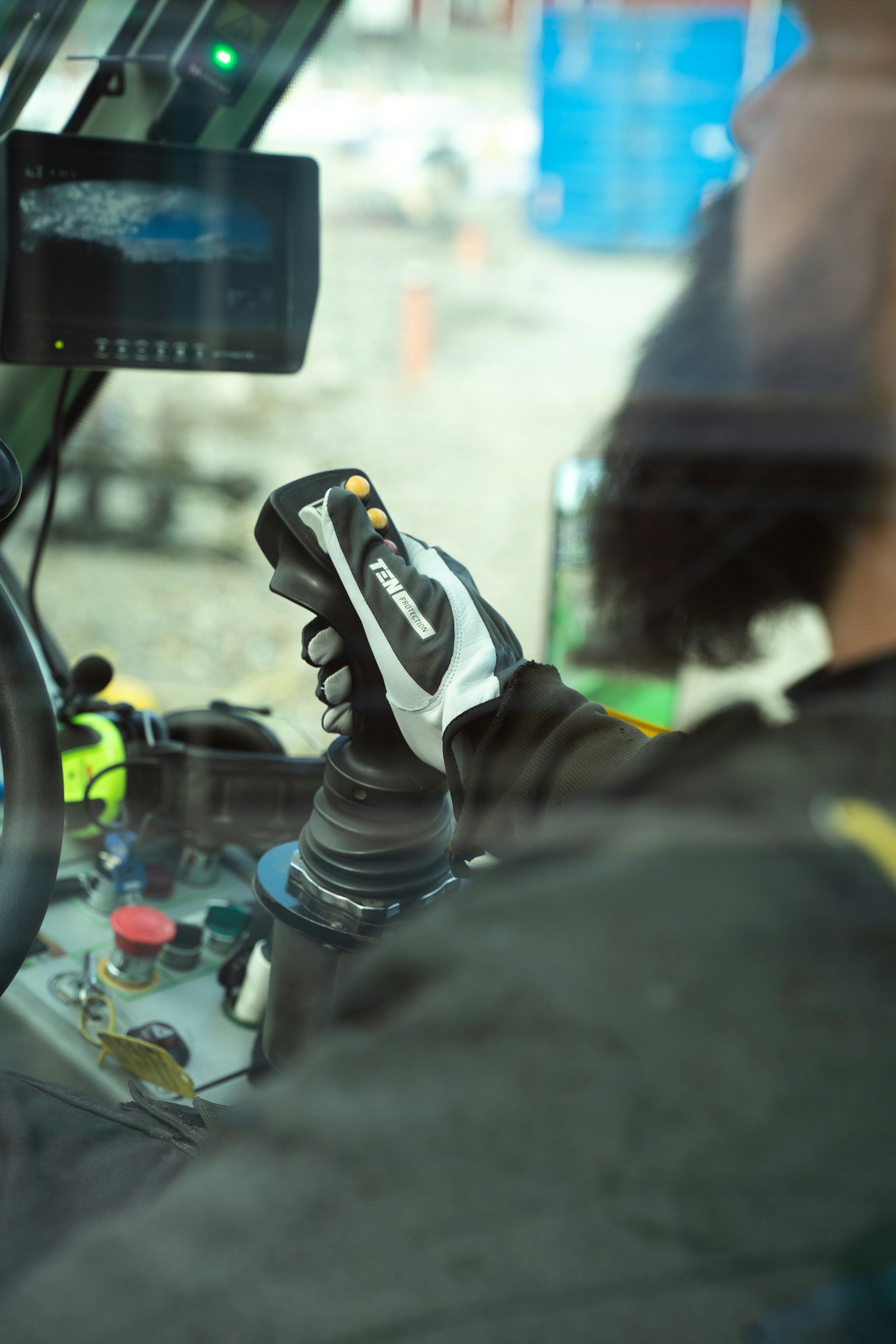
Look behind the buttons on almost any machine and you will find one of two technologies. A capacitive touch surface, or a mechanical switch. Both have been around for decades, both are well understood, and both let the operator down in ways that machine builders have learned to live with.
The touch panel that stops listening
Capacitive touch looks modern. It is sealed, flat, easy to clean and has no moving parts to wear out. Then someone presses it with a thick work glove, or the surface is wet, and nothing happens. No click, no confirmation, no way of knowing whether the machine registered anything at all.
Water works the other way too. A splash, a wash-down or a wet cloth can look like a finger to a capacitive sensor, and the machine reacts to a press that never happened.

The button that wears out
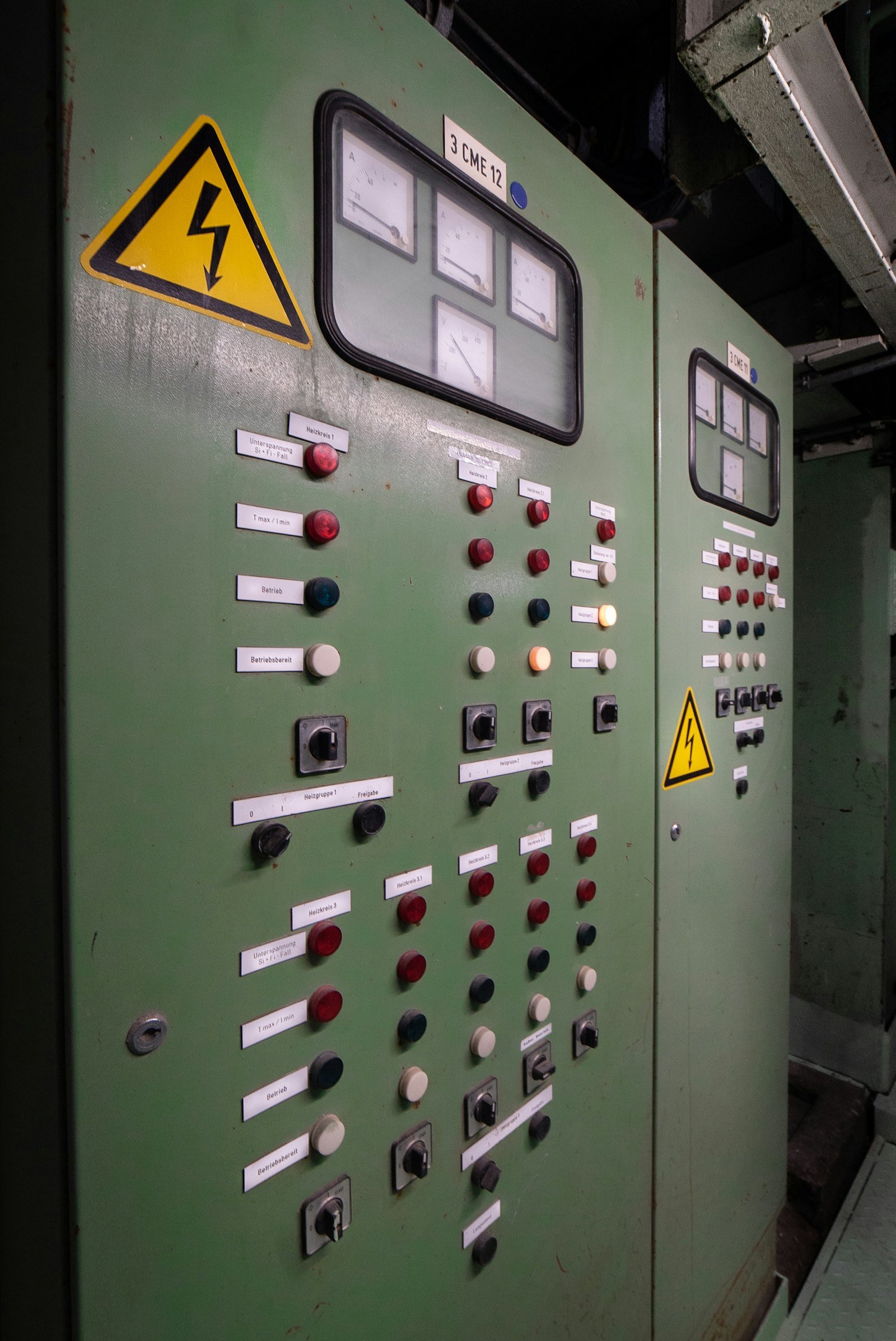
Mechanical buttons feel certain. You press, it clicks, you know. But every press wears the contacts a little, and every button is a hole in a panel that the rest of the design works hard to keep sealed. Over years in the field, dust, water and cleaning agents find their way in, and the button that felt certain starts to stick or fail.
Both end the same way
When an input fails, the operator presses again. Or walks away assuming it worked. Somewhere further down the line, that becomes a stopped machine, a service call or a batch that has to be redone. The button costs very little. The hour it takes down does not.
So we stopped treating it as a choice.
Both, evaluated together
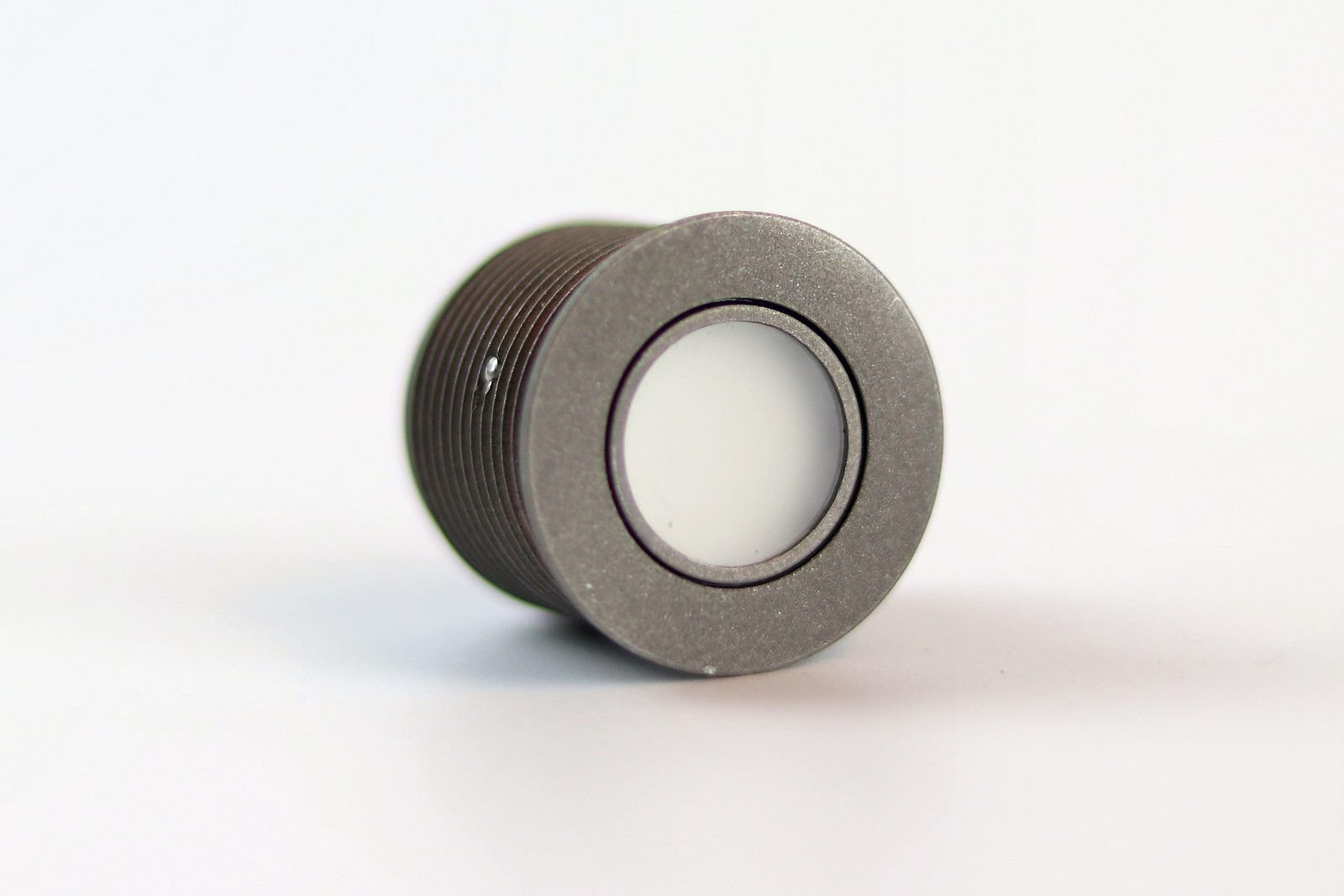
The HABI Button combines force sensing and capacitive sensing in one sealed, flush-mounted module, and evaluates them together. The capacitive channel knows a hand is there. The force channel knows the press was real. Only when both agree does the button act.
That means a deliberate press registers through gloves, water and dirt, while a splash, a sleeve brushing past or a knock from a tool is ignored. Haptics, light and sound then confirm every accepted press, so the operator never has to look at a screen to know it worked.
See how the two sensors decide
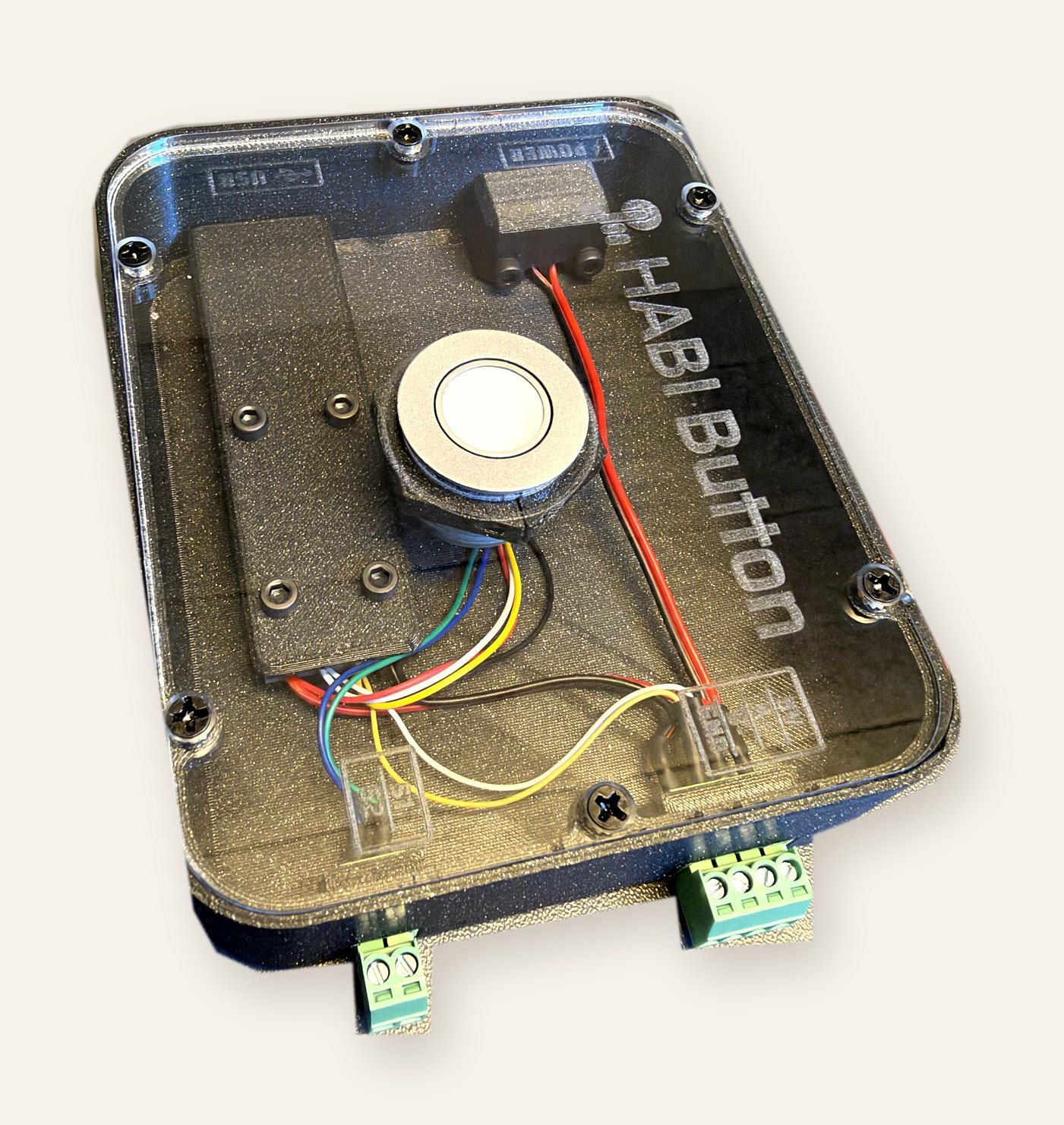
Evaluation Kits are now available
Order the HABI Button Evaluation Kit and test dual-sensing input in your own product.
The HABI Button is patent pending
The technology behind the HABI Button is now patent pending. What went into it, and why it matters to you.